
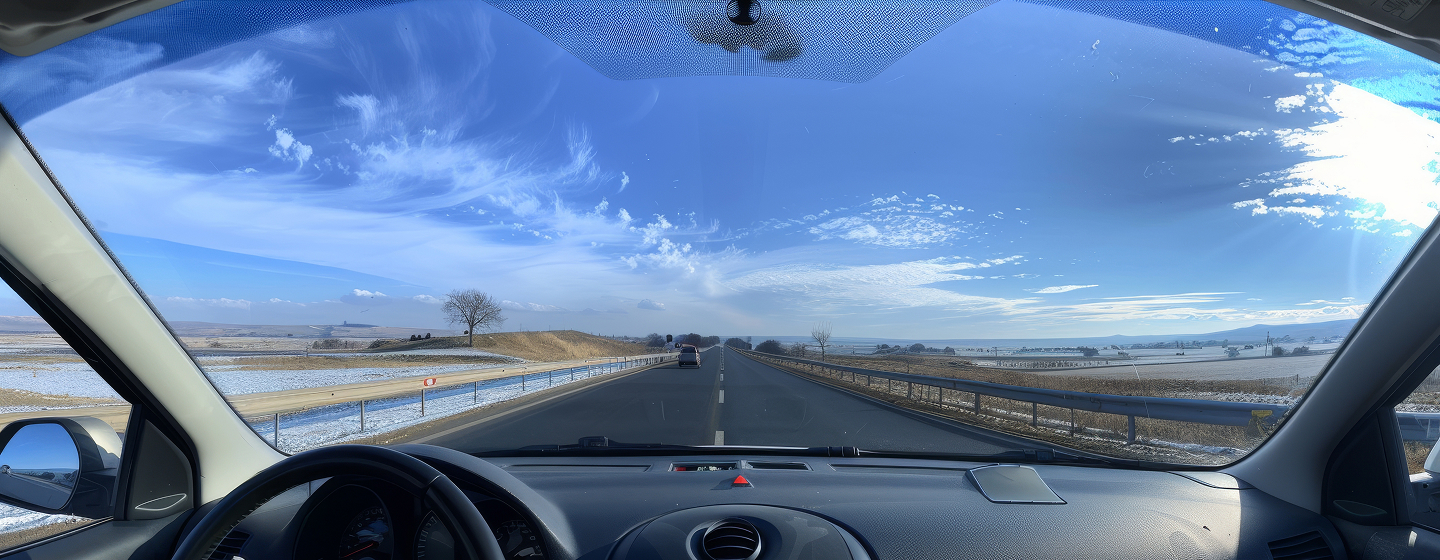
Driving on Phoenix freeways can feel like running a gauntlet of loose gravel, construction debris, and fast-moving traffic, and your windshield usually pays the price. Rock chips and cracks are so common in the Valley that many drivers treat them as inevitable. The good news: with a few smart habits, you can dramatically reduce your risk of windshield damage. For people looking for windshield protection from rock chips while driving on Phoenix Freeways, Auto Glass Xpress can help with your problem.
Why Phoenix Freeways Are So Hard on Windshields
Phoenix is constantly growing, which means ongoing freeway construction, lane expansions, and resurfacing. Work zones, gravel shoulders, and unsecured loads all increase the amount of debris on the road.
The Arizona Department of Transportation (ADOT) and the Governor’s Office of Highway Safety note that road debris contributes to crashes and vehicle damage, and stress the importance of properly secured loads to keep highways safe.
On top of that, extreme Arizona heat can cause small chips to spread quickly into long cracks as the glass expands and contracts.
Smart Driving Habits to Prevent Rock Chips
You can’t control the road surface, but you can control how you drive on it:
1. Keep a Safe Following Distance
Most chips come from rocks thrown by the vehicle in front of you. Back off, especially behind:
- Semi-trucks and vehicles with dual rear wheels
- Dump trucks, gravel haulers, landscaping trailers
- Any car or truck carrying loose materials
More space means rocks have time to fall before they hit your glass.
2. Avoid Construction Lanes When Possible
Phoenix freeways often have:
- Freshly milled or chip-sealed sections
- Temporary shoulders covered in gravel
- Lanes with loose asphalt or rock from ongoing work
If you can, choose a lane farther from the work zone or use an alternate route. When you must drive through, slow down, less speed means less impact force if debris hits.
3. Watch for Unsecured Loads
Unsecured cargo is a major source of dangerous debris. ADOT specifically urges drivers to secure loads with straps, nets, tarps, and tie-downs because items falling onto the freeway can damage vehicles and cause serious crashes.
If you see a vehicle with loose materials, give it extra space or safely change lanes.
What are the Protective Upgrades for Your Windshield?
Driving habits are your first line of defense, but you can add extra protection:
Install Windshield Protection Film
A clear protection film acts like a “screen protector” for your glass, absorbing the energy from small rocks and helping prevent chips and pitting. Many Phoenix auto glass shops offer films designed for high-heat, high-sun environments.
Maintain Tires and Mud Flaps
Good tires and properly installed mud flaps reduce the amount of debris your own vehicle kicks up, important if you frequently drive on gravel shoulders, rural roads, or construction detours.
Fix Small Chips Fast
Even with the best prevention, a chip will eventually happen. Don’t ignore it.
Under federal safety standards for automotive glass (FMVSS 205 and related rules), windshields are treated as critical safety components because they support vehicle structure and help maintain a clear, unobstructed view.
In Arizona’s intense sun, tiny chips can quickly spread across the glass, weakening that safety system. Repairing a chip early is usually quick, low-cost, and can prevent a full windshield replacement.
Final Thoughts
Phoenix drivers can’t avoid freeway debris completely, but by giving trucks space, avoiding high-risk lanes, slowing down in construction zones, and adding protection film, you can greatly cut down the number of rock chips your windshield takes each year. Combine that with fast chip repair, and your glass, and your wallet, will be in much better shape.
